USC ISI Fund for Technological Innovation
Fueling groundbreaking research at the intersection of information processing, AI, and cybersecurity.
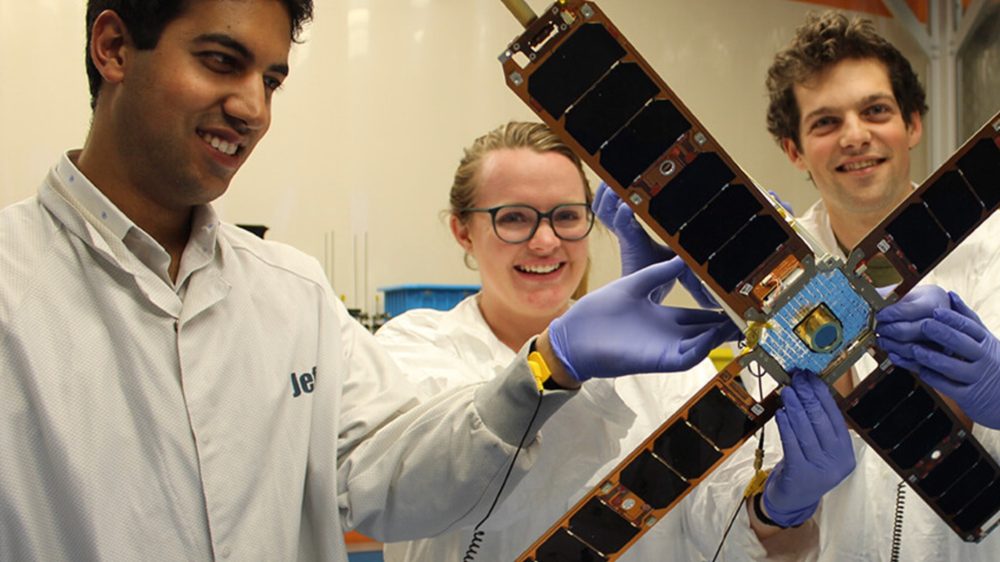
The USC ISI Fund for Technological Innovation is dedicated to empowering researchers to push the boundaries of advanced computing, AI, and information systems. By supporting projects that tackle society's most pressing challenges, this fund champions innovation that redefines what's possible in technology and communication. Whether advancing cybersecurity, exploring quantum computing, or developing AI-driven solutions, this match fund aims to amplify the impact of visionary researchers who are shaping the technologies of tomorrow.
domain:ai-technology
Eligibility
This match fund is open to projects led by researchers or teams associated with the USC Information Sciences Institute or the USC Viterbi School of Engineering. Projects should align with ISI's mission to advance society through pioneering research in information processing, computer, and communications technologies. To qualify for this match fund, projects must meet the following eligibility requirements:
- Applicants must be affiliated with the USC Information Sciences Institute or the USC Viterbi School of Engineering.
- The project must address one or more of ISI’s core research areas: artificial intelligence, computational systems and technology, informatics systems research, or networking and cybersecurity.
- Projects must demonstrate a commitment to delivering real-world impact and advancing technological innovation.
- Proposals should showcase creative problem-solving and the potential for significant contributions to academic, industry, or government applications.
- Projects must adhere to ethical research practices and align with ISI’s values of integrity, inclusion, and excellence.
Displayed figures
Figures as displayed publicly on artizen.fyi — 'Available' is the fund's unallocated balance at capture, 'Raised' its total.
Original page (offline): https://artizen.fyi/funds/usc-isi-fund-for-technological-innovation
Wayback ↗